
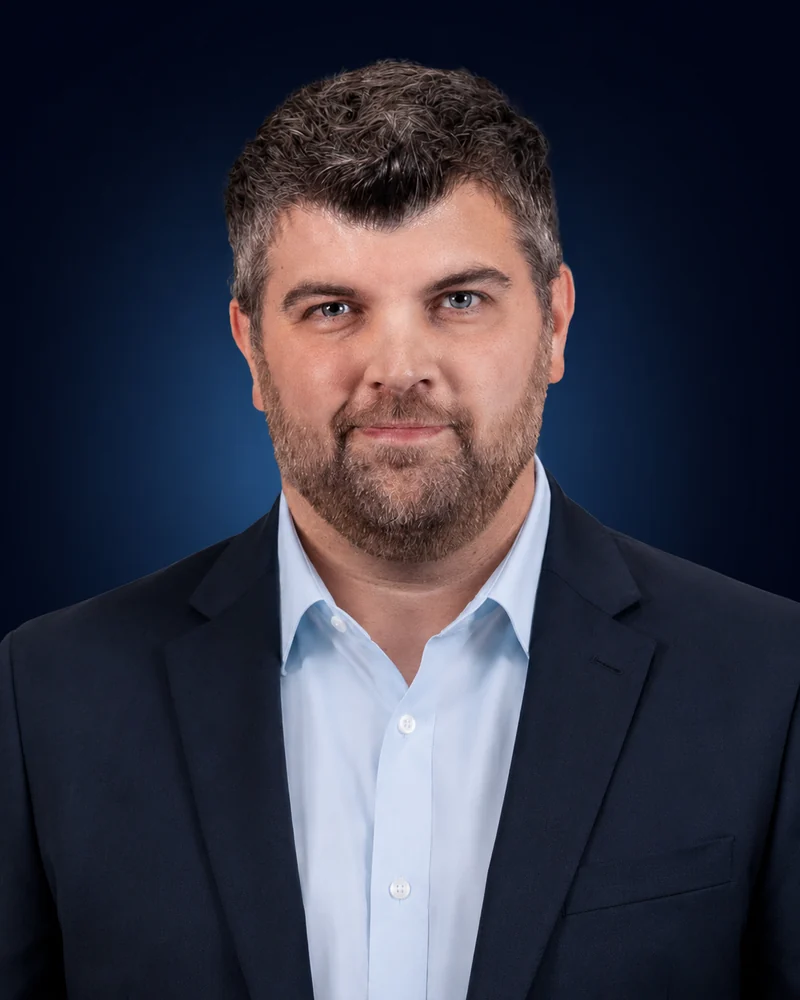
Samuel S. Giles, MD
Founding Neurologist
Board-certified neurologist. Dr. Giles brings experience in clinics and hospitals to TeleHeadache, helping more people reach appropriate headache care.
Professional background View profileOur neurologists
Three neurologists. One shared purpose: a clearer path to focused headache care, with clinical judgment at its center.
Neurologist-founded. Your reviewing clinician depends on the active care team, licensure, and availability.
Why we built TeleHeadache
In clinics and hospitals, we saw how difficult it can be to find timely headache care. In our experience, patients often wait several months for a neurology appointment.
Headache care takes time, follow-through, and a focused approach. We created TeleHeadache to make room for that work, alongside primary care and in-person neurology.
The founding team
Our clinical experience shapes a service built around what people with recurring headaches need: thoughtful evaluation and a practical next step.
Founding Neurologist
Board-certified neurologist. Dr. Giles brings experience in clinics and hospitals to TeleHeadache, helping more people reach appropriate headache care.
Professional background View profile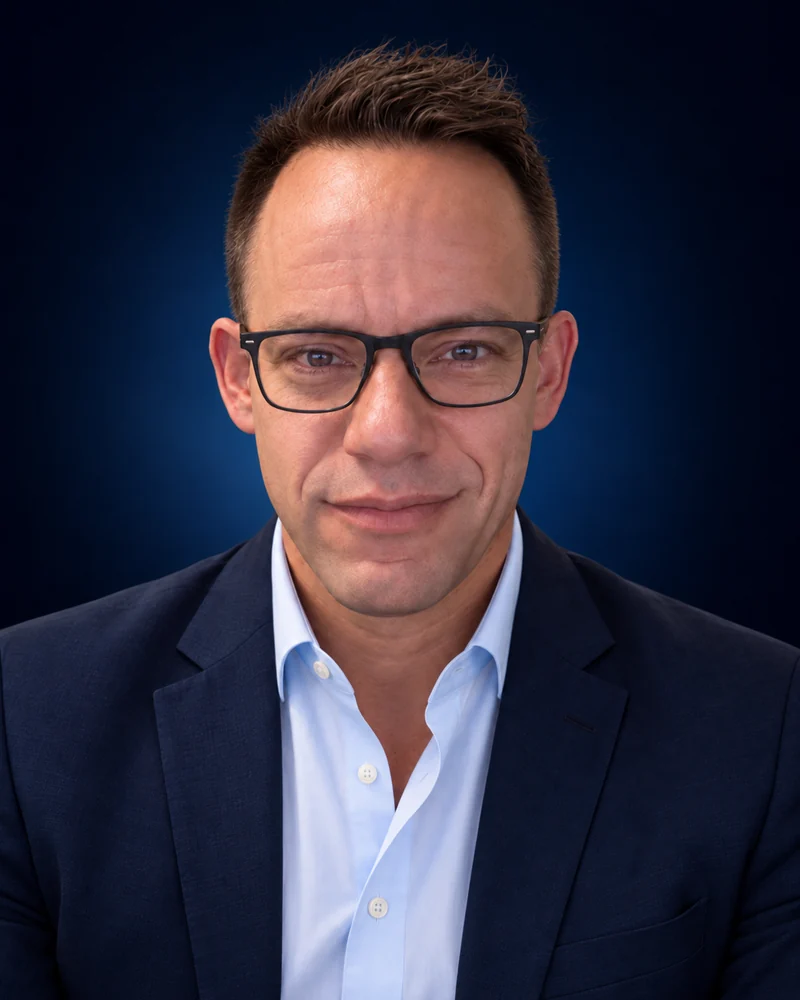
Founding Neurologist
Board-certified neurologist; fellowship-trained in vascular neurology. Dr. Mannel helps shape a clearer path from headache history to clinician review, treatment, and ongoing care.
Professional background View profile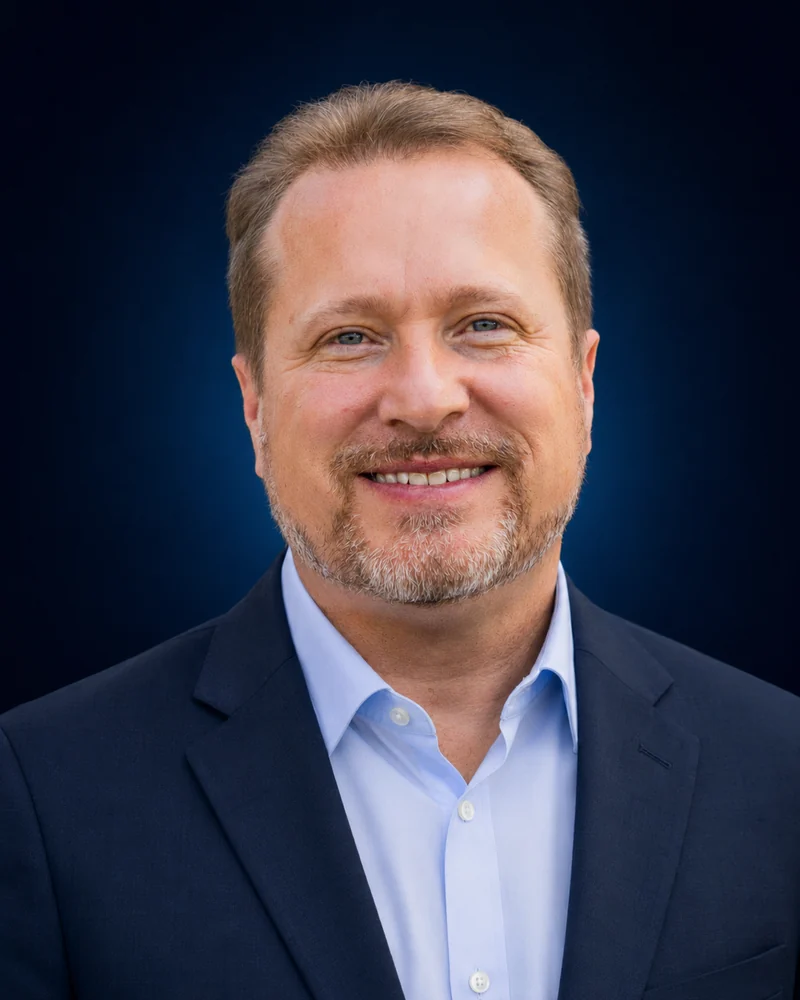
Founding Neurologist
Board-certified neurologist. Dr. Plante’s experience in neurology guides TeleHeadache’s approach to thoughtful evaluation, appropriate treatment, and continuity of care.
Professional background View profileOur founders help shape the history we ask for, treatment considerations, and when another kind of care is needed.
Headache patterns, prior treatments, medications, and warning signs all matter.
Treatment is individualized. More information, video, or an in-person evaluation may be needed.
Ongoing review and medication-access support are part of the care model.
Clear about your care
You should know your clinician's name, credentials, and role. Clinical leadership and your individual care team serve different purposes.
As TeleHeadache grows, care may include other physicians, nurse practitioners, and physician assistants.
Neurologist-founded does not guarantee founder or neurologist review. Assignment depends on licensure, availability, and the active care team.
Your assigned clinician determines whether online care is appropriate. Some concerns need an examination, testing, or care outside TeleHeadache.
A founder may be involved in patient care, but founder or neurologist review is not guaranteed. Your assessment is assigned according to the active team, licensure, and availability.
No routine referral is required to begin. A licensed clinician still reviews your history and determines whether online care is appropriate.
Yes. TeleHeadache adds a focused online option for appropriate headache care. Continue your other medical care as recommended, and share current medications and treatment plans with your clinicians.
A clearer next step
Start with a free eligibility check. Membership enrollment comes before the full clinical assessment.
Assessment does not guarantee a diagnosis, prescription, or specific medication. Not for emergencies: call 911 or go to the nearest emergency department.